Operations • Operational Protocol

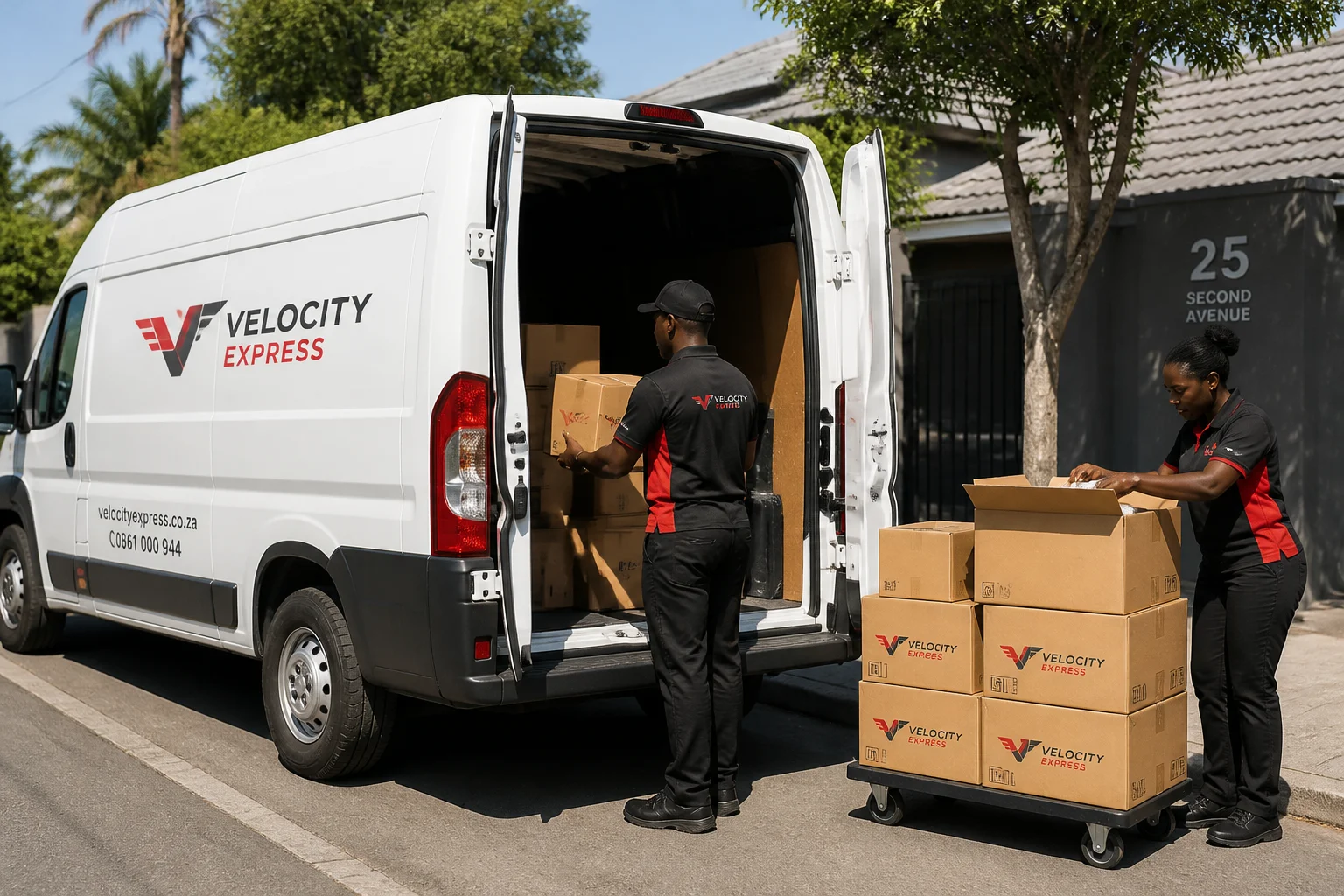
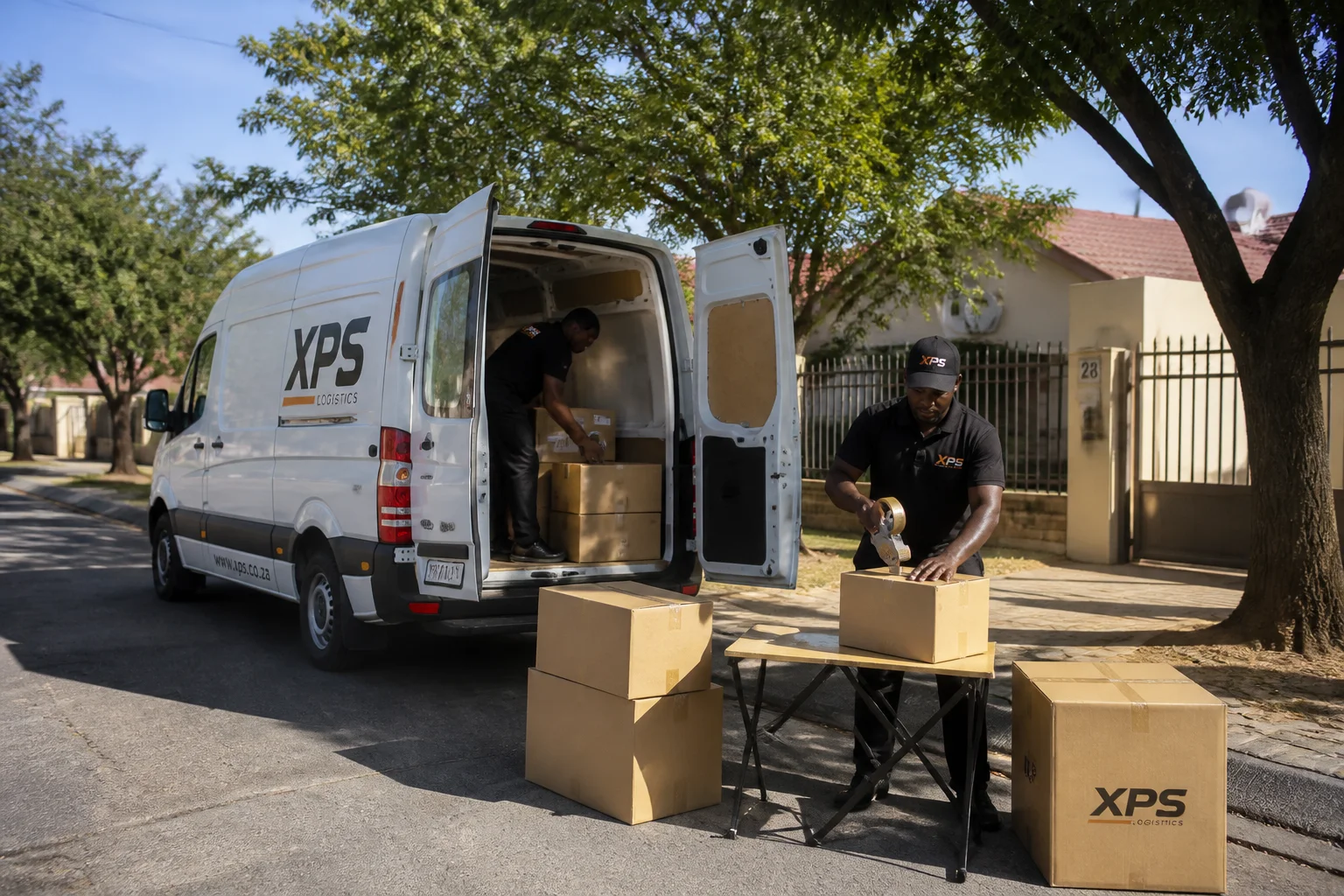
Managing Delivery Logistics across South African Metro Areas

Practical routing protocols, driver security safeguards, and multi-depot fulfillment frameworks built for high-density South African commercial hubs.

Elena Joubert
11 October 2026
9 min read
Executive Overview South Africa

Reliable metropolitan order distribution demands regional fulfillment nodes, dynamic traffic circumvention, and strict custody reconciliation to overcome urban road congestion and localized transit disruptions.

Managing Delivery Logistics across South African Metro Areas
Key Pillars: Route Telematics Driver Security Micro-Depots Courier Governance
Executive Brief

Executing consistent deliveries across Johannesburg, Pretoria, Cape Town, and Durban involves far more than basic turn-by-turn navigation. Small and medium commercial enterprises must establish regional replenishment nodes, maintain continuous vehicle visibility, and implement disciplined handover audits to protect parcel safety and customer satisfaction.

01
Stage 1: Fulfillment Topology

Configuring Regional Micro-Hubs and Urban Fulfillment Nodes

Operating out of a single centralized warehouse creates severe bottlenecks when fulfilling multi-suburb customer orders across sprawling South African metropolises. Transporting parcels from distant peripheral industrial zones into central business districts exposes delivery schedules to persistent peak-hour congestion on major transit arteries such as the M1, N1, and N2 freeways.

Establish localized micro-fulfillment hubs or partner with shared light-industrial storage units in strategic peri-urban commercial clusters like Midrand, Montague Gardens, and Pinetown. Dividing daily inventory across these designated substations compresses delivery trip radiuses, curtails escalating fuel expenses, and insulates drivers from broad gridlock.

  • Maintain a rolling ten-day buffer of top-tier SKU inventory at each localized metropolitan depot.
  • Synchronize inventory levels between local dispatch nodes and the central enterprise database every six hours.
  • Complete regional vehicle loading before 06:45 to clear arterial corridors ahead of morning traffic spikes.

02
Stage 2: Operational Security

Implementing Driver Safeguards, Cashless Protocols, and Real-Time Telematics

Urban distribution vehicles moving high-demand stock face distinct security challenges across specific metropolitan corridors. Dispatch teams must equip every vehicle with live GPS telematics integrated with local incident alert feeds, enabling dynamic rerouting around spontaneous road closures, municipal demonstrations, or reported delivery risk zones.

Mandate strict cashless collection procedures for all customer deliveries to eliminate on-vehicle cash handling risks. Outfitting delivery vans with concealed emergency panic systems, remote engine immobilizers, and mandatory digital cargo compartment seals preserves driver safety while protecting valuable commercial consignments.

"Delivery resilience in South African urban centers rests not on aggressive driving timetables, but on proactive route risk assessments and continuous digital custody tracking."

03
Stage 3: Carrier Management

Managing Hybrid Fleets and Structuring Third-Party Courier Service Levels

Maintaining an entirely dedicated internal fleet often proves financially inefficient during slow trading cycles, whereas complete reliance on third-party couriers compromises customer communication quality during seasonal volume surges. A balanced hybrid fulfillment approach combines internal light vehicles for dense core delivery zones with contracted courier networks for broader outer-suburban drops.

Draft enforceable service level agreements with contracted delivery providers that define clear delivery attempt deadlines, missing parcel reconciliation limits, and automated tracking webhook integrations. Regular vendor reviews based on verified drop success percentages prevent hidden customer friction.

  • Contractual requirement for first-attempt delivery success rates of ninety-three percent or higher.
  • Mandatory real-time electronic proof of delivery with recipient identity capture and GPS coordinate stamping.
04
Stage 4: Recipient Synchronization

Refining Recipient Communication Windows and Reverse Return Logistics

Failed delivery attempts directly erode transactional margins and strain vehicle capacity. Implementing automated dispatch SMS notifications that supply recipients with accurate sixty-minute delivery windows and interactive driver contact options dramatically improves first-time delivery success rates across residential estates and gated office parks.

Develop a simplified, transparent reverse logistics workflow for product exchanges and customer returns. Equipping field couriers with pre-printed return barcoded satchels and standardized initial inspection guidelines prevents compromised stock from accumulating unresolved in transit.

Essential Delivery Management Principles

Consolidate your urban logistics strategy around these key operational practices:

  • Decentralized Node Deployment: Distribute fast-moving merchandise to micro-depots near high-density client zones to shrink turnaround times.
  • Immutable Digital Chain of Custody: Verify every consignment transfer using barcode scanning, GPS geostamps, and digital recipient confirmations.
  • Structured Escalation Protocols: Equip drivers and dispatch teams with clear rerouting guidelines and immediate security support channels.
Operational Framework

Strengthen Your Enterprise Operating Systems

Explore our complete collection of operational roadmaps, compliance checklists, and commercial guides curated specifically for independent South African business founders.

Browse Business Guides
Further Operations Guides

Related Operations Manuals

Inventory Control for Retailers in Gauteng
Operations

Inventory Control for Retailers in Gauteng

Practical strategies for stock audits, shrinkage containment, and storage management designed for retailers navigating high-volume Gauteng commerce.

Read Manual
Supply Chain Negotiation Tactics for Small Shops
Operations

Supply Chain Negotiation Tactics for Small Shops

Proven tactics for independent merchants to negotiate wholesale pricing, volume tiers, and reliable settlement terms with regional distributors.

Read Manual