Operational Parameters & Governance Profile
- Operational Domain
- Retail Stock Control & Loss Prevention
- Document Class
- Physical Stocktake & Reconciliation Matrix
- Statutory Anchor
- Section 22 Trading Stock SARS Provision
- Standard Format
- Printable Worksheet (A4) & XLSX Master
- Auditing Cadence
- Monthly Cycle Count & Biannual Full Count
- Internal Custodian
- Store Floor Manager / Inventory Supervisor
Document Structure & Sections
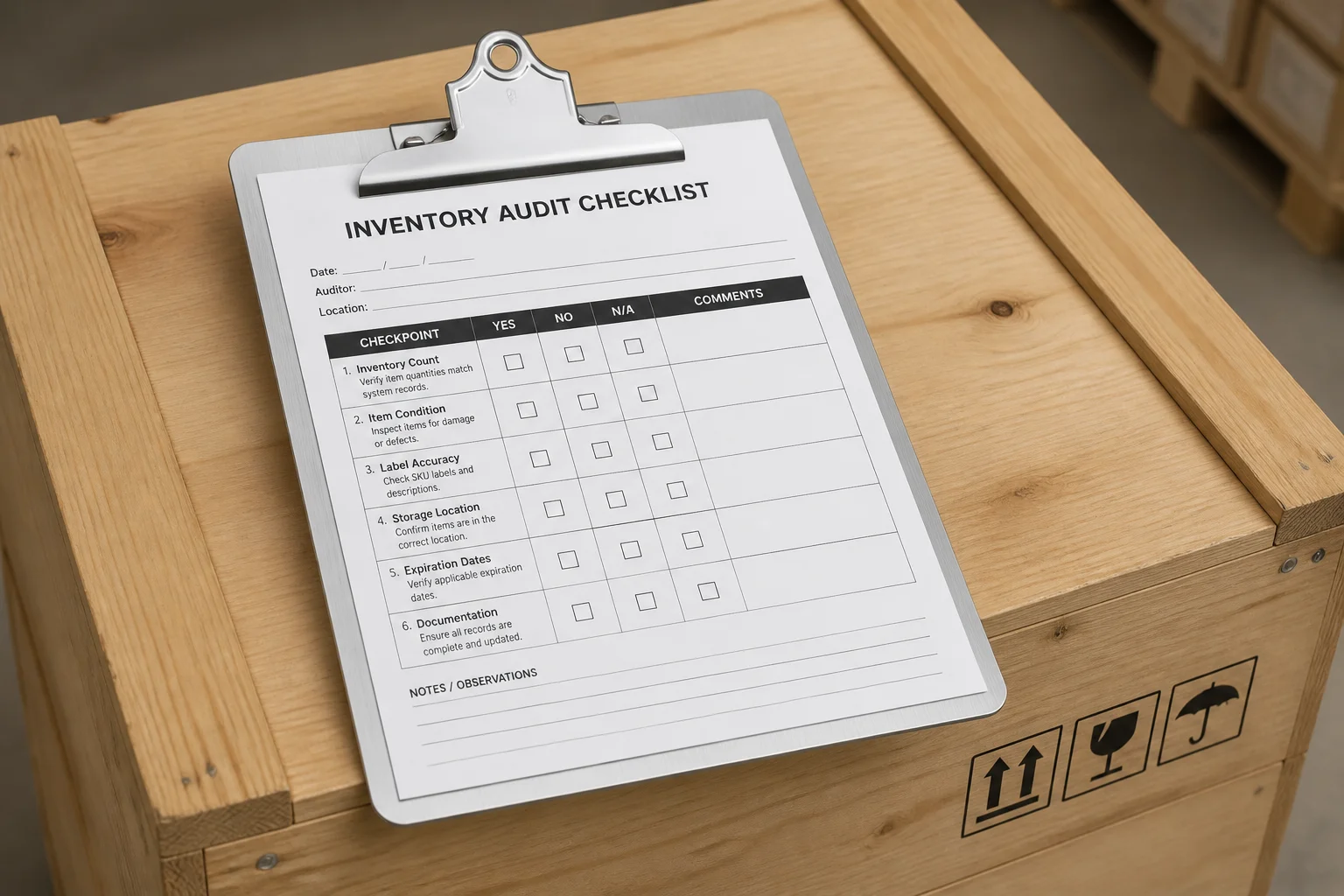
Controlling Stock Variances on Retail Shelves
Physical counts routinely uncover discrepancies between digital point-of-sale registers and actual warehouse shelves. Inventory shrinkage happens through theft, supplier miscounts, damaged packaging, or untracked till exchanges, silently eroding gross margins across trading quarters. This audit template creates a disciplined verification system that isolates missing items before differences distort statutory year-end stock declarations.
Independent shop owners in South African high streets and shopping centres face tight working capital constraints. Letting unverified stock ledger figures dictate reordering leads to dead capital in slow lines and missed sales in top sellers. Applying an itemised audit sheet exposes actual turnover velocities while standardising accountability across every stockroom aisle.
Three-Tier Physical Counting Procedure
Run counts outside normal trade hours or during dedicated low-traffic counting shifts, enforcing strict segregation between counter personnel and inventory record custodians:
- Zone Isolation & Shelf Tagging: Section the store into numbered zones and tag each gondola before tallying units. Teams write physical unit quantities directly onto the pre-printed audit sheets without viewing expected system totals, preventing confirmation bias during the physical pass.
- Blind Second-Count Verification: Assign a secondary auditor to re-tally any product bay showing high unit costs or discrepancies greater than three units. They compare the primary count against scanner logs, identifying mislabelled SKU barcodes and nested packaging errors.
- Manager Sign-off & Ledger Adjustment: Transfer verified counts into the digital master spreadsheet alongside recorded cause codes for write-offs. The floor supervisor validates each line adjustment with dual signatures before releasing the data for stock ledger reconciliation.
SARS Compliance & Damaged Goods Certification
Section 22 of the South African Income Tax Act specifies that trading stock held at the beginning and end of each tax year must reflect cost price, net of permissible write-downs. Retailers writing off obsolete or damaged inventory must substantiate these claims with chronological stocktake documentation. Retain signed audit sheets alongside supplier credit notes and disposal slips for a minimum period of five years to protect your business during SARS operational reviews.
Operational Key Takeaways
- Segregate duties by preventing cashier staff from conducting unsupervised audits on their own checkout registers or assigned stock bays.
- Execute high-frequency cycle counts on high-value SKUs weekly rather than postponing all inventory verification to an annual store shutdown.
- Archive original signed count sheets with verified cause codes to support statutory tax deductions for broken, spoiled, or missing goods.
Related Operational Documents